

Local Voices
What Does Climate Action Look Like in Inverclyde?
Climate action takes many forms. Sometimes, it happens on the global stage, like at climate summits and international conferences, but it also happens much closer to home: community gardens, classrooms, creative workshops, local groups, and the everyday activities that make our communities stronger.
There is no one singular way for local climate action to take place. Sometimes it's about growing food, and bringing people together to relax and garden outside. Sometimes it can be about educating children about nature, starting the conversation young. Sometimes it's about using creativity and art to give someone a voice.
For Climate Week, we wanted to shine a light on some of the organisations and groups in Inverclyde who are working hard to make local climate action more accessible to everyone.
So, here are three inspiring examples of local climate action already happening in Inverclyde!
Creating Climate Conversations Through Art
Our first example is Rig Arts, a multi-award-winning arts charity in Inverclyde that connects professional artists and communities through creative projects.
For them, climate action should be open to everyone, regardless of background or experience.
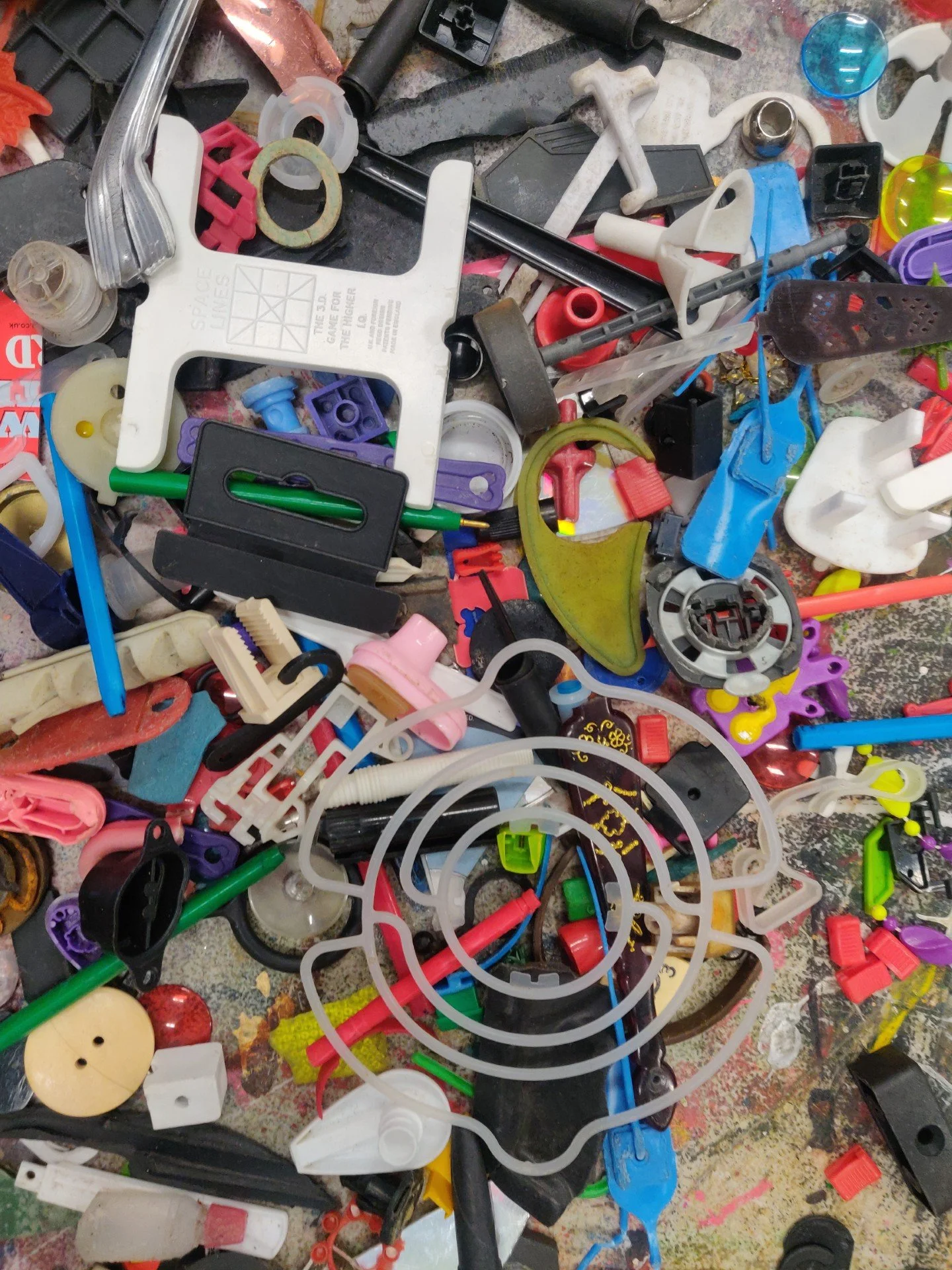
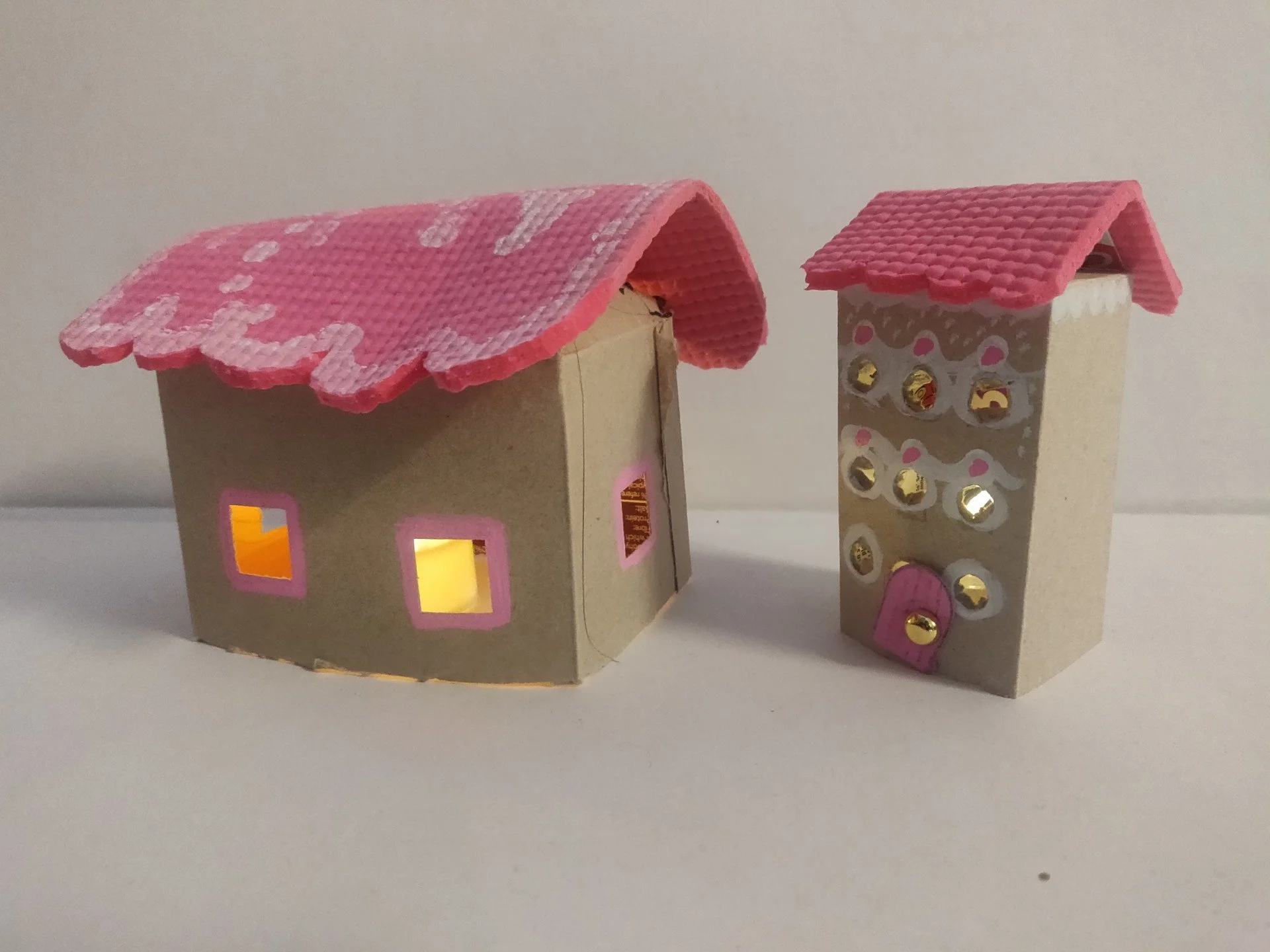
Their approach uses creativity to make climate issues easier to understand, whether by upcycling textiles, reusing materials, or making art from waste.
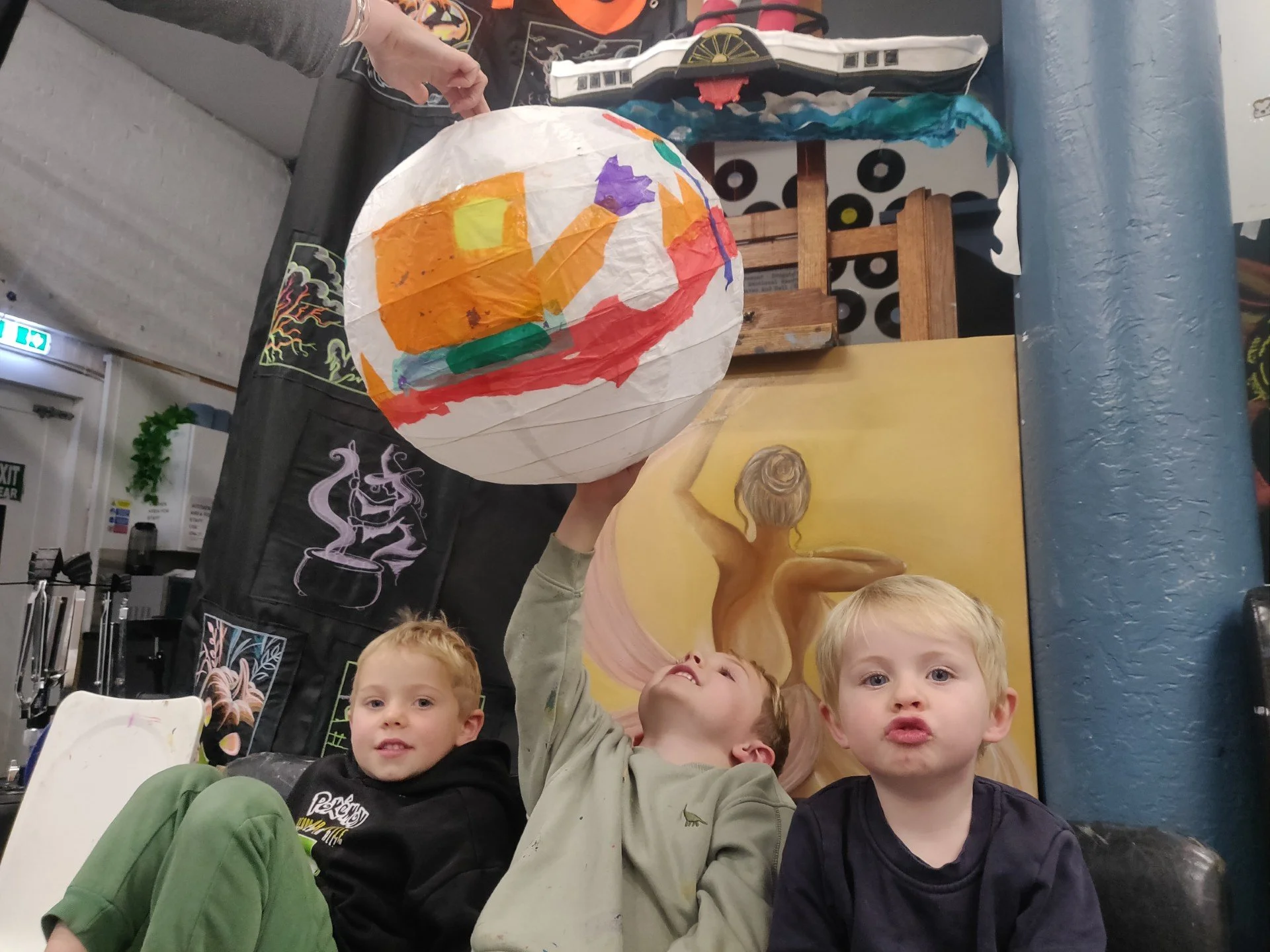
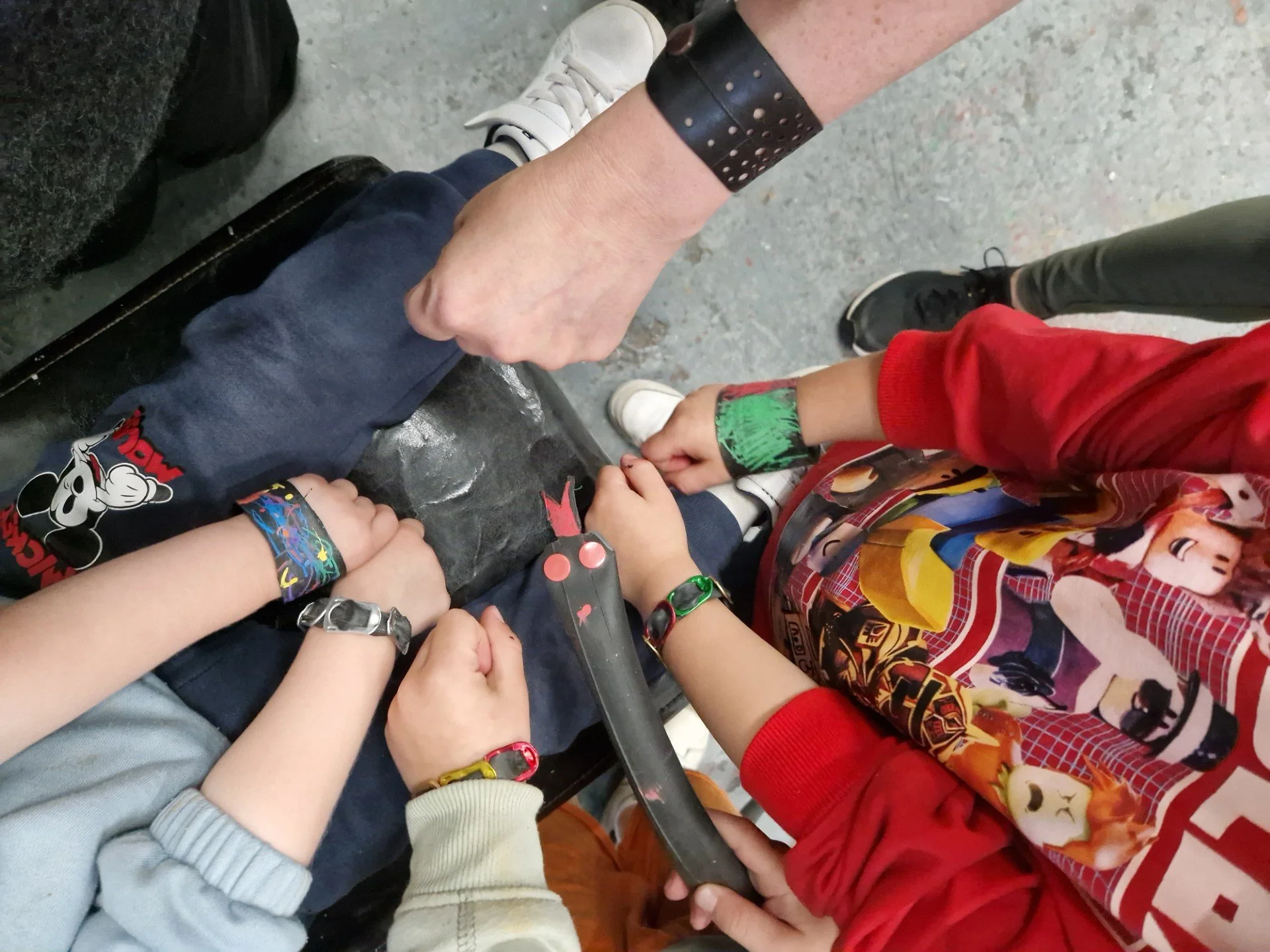
Their Climate Creatives project, funded through the Scottish Government, brought climate learning into family workshops, community groups, and schools. Weekly workshops explored creative reuse through activities such as plastic recycling, jewellery making and furniture upcycling. Alongside the practical making, participants could talk about climate change and consider how small changes could reduce waste.
Their Climate Conversations project took place with a range of community groups and schools, conducting sessions of a collaborative map-making activity exploring people's relationship with their local environment.
The project's resident artist, Katrine Turner, reached 101 primary school pupils. They explored waste and environmental responsibility through art-making, discussion, storytelling, and performance. The children even created protest signs and wrote letters to local authorities, connecting creative expression with civic participation.
The results showed that creative approaches can make a difference. 73% of pupils who took part understood more about environmental issues, and 82% of adults in the Climate Conversations said the sessions gave them ideas for being more climate-conscious.
In this case, the impact reached beyond the project itself. One family called their workshop a “lifeline,” saying it brought them together and inspired them to set up their own waste-reducing system in their neighbourhood, with neighbours collecting materials for future workshops.
For the organisation, this shows how creativity can make climate action accessible, engaging, and open to all.
“We believe art can be a powerful tool to comment on the Climate Crisis and raise awareness through visual and creative languages, inviting everyone to be a part of the conversation.”
Growing a Greener Community
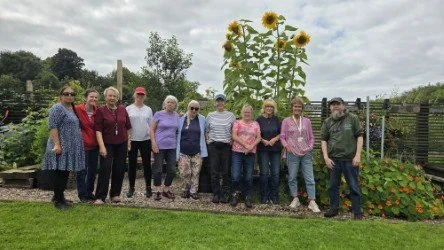
Our second local voice is a community garden that has brought together volunteers, residents, schools, and local organisations through gardening and environmental projects since 2018. Their approach is wonderfully practical - instead of asking, “How can we create a climate project?” they started with a simple idea: bring people together to improve their local environment. Now, climate action is part of many aspects of the garden.
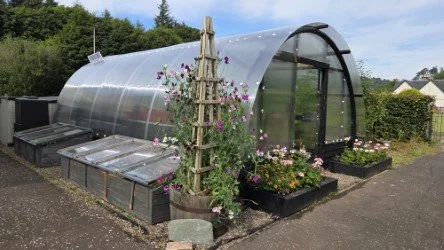
Wildlife-friendly plants offer homes and food for bees, butterflies, and other pollinators. Raised beds and an orchard let people grow food locally. They compost organic material and return it to the garden, and collect rainwater to help water the plants. Solar panels power the rainwater pump and the garden shed, and materials are reused and repurposed whenever possible. A recently added polytunnel gives the community a dedicated space to grow more types of crops and extend the growing season.
But the benefits go beyond the environment.
The garden offers chances for people to volunteer, learn practical skills, spend time outdoors, and meet others. It also lets those without their own garden grow food and connect with nature.
Children and young people are a key part of this work. Instead of just talking about climate change, the garden lets them plant, watch pollinators, harvest food, and experience nature directly.
As the group puts it:
“A person may not consider themselves an environmentalist, but they might happily plant a tree, grow vegetables, build a pollinator-friendly bed or help look after a community garden.”
Climate action doesn't always start with someone identifying as an environmentalist. Sometimes it begins with a vegetable patch, planting a flower for the bees or an afternoon spent getting your hands dirty.
“We can’t change the world on our own, but we can change our little corner of it — and hopefully inspire other people to do the same.”
Learning Through Growing
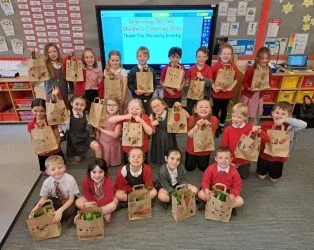
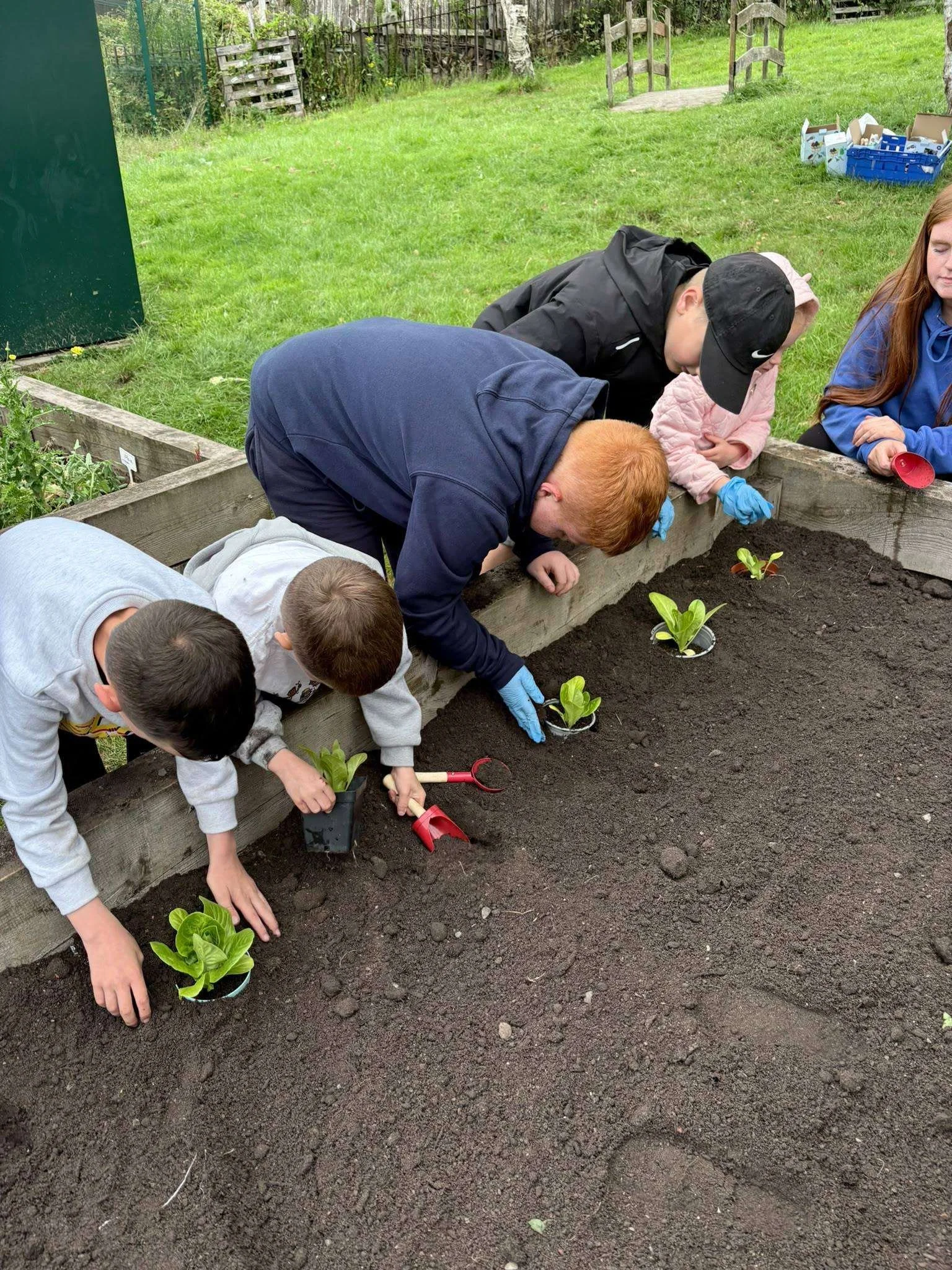
Our third example comes from a recently completed ICAN-funded environmental education programme, run with a local care provider and primary school. Over four weeks in the summer, about 30 children and six adults took part in activities about growing food, food chains, and biodiversity.
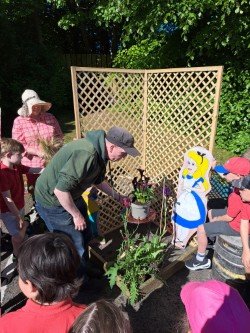
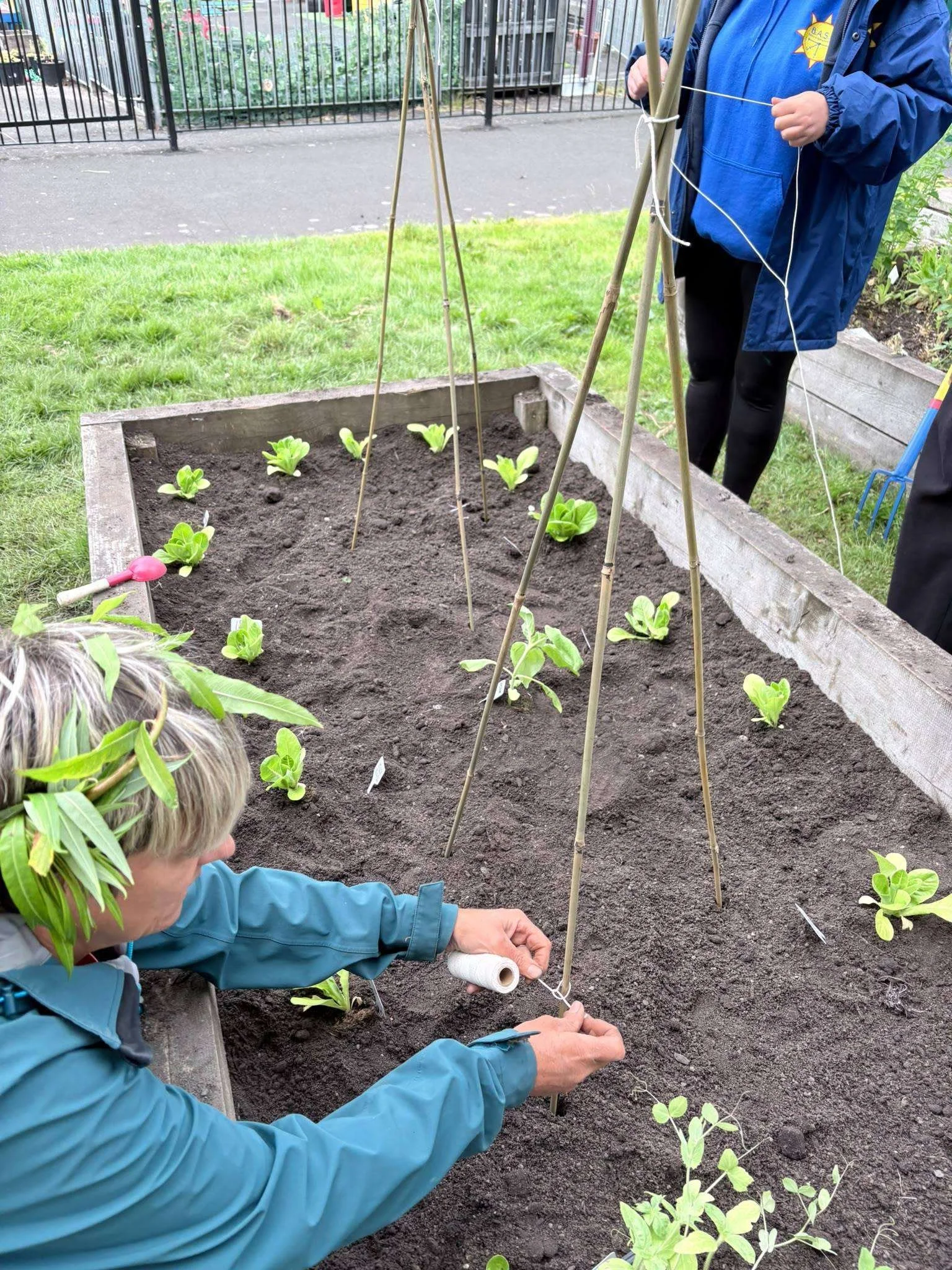
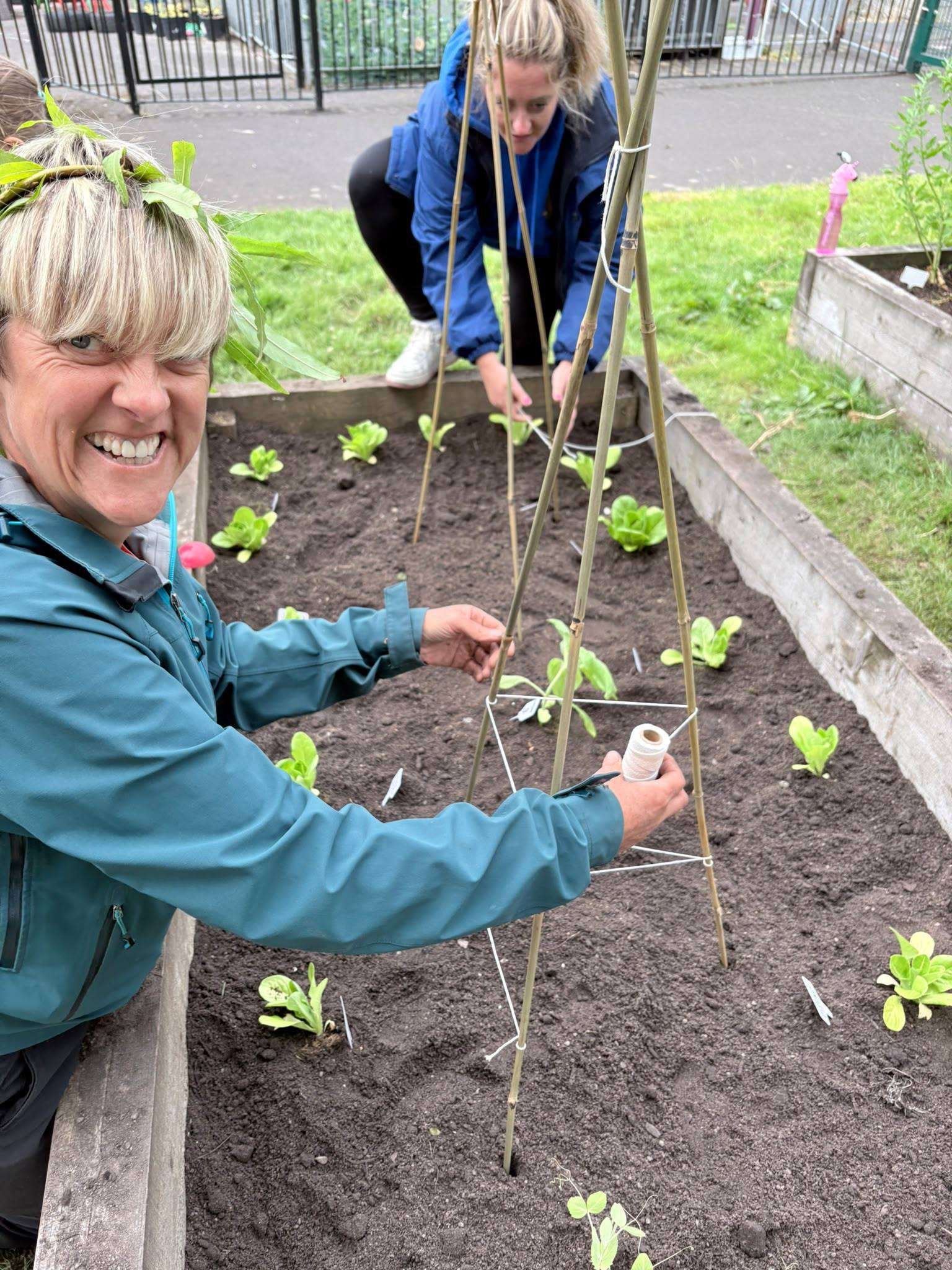
The programme was very hands-on - the group cleared five raised beds, added fresh compost and planted vegetables including carrots, lettuce, cucumber, chard and peas. They installed a mini-greenhouse and a composter while learning more about composting and natural ways to manage pests.
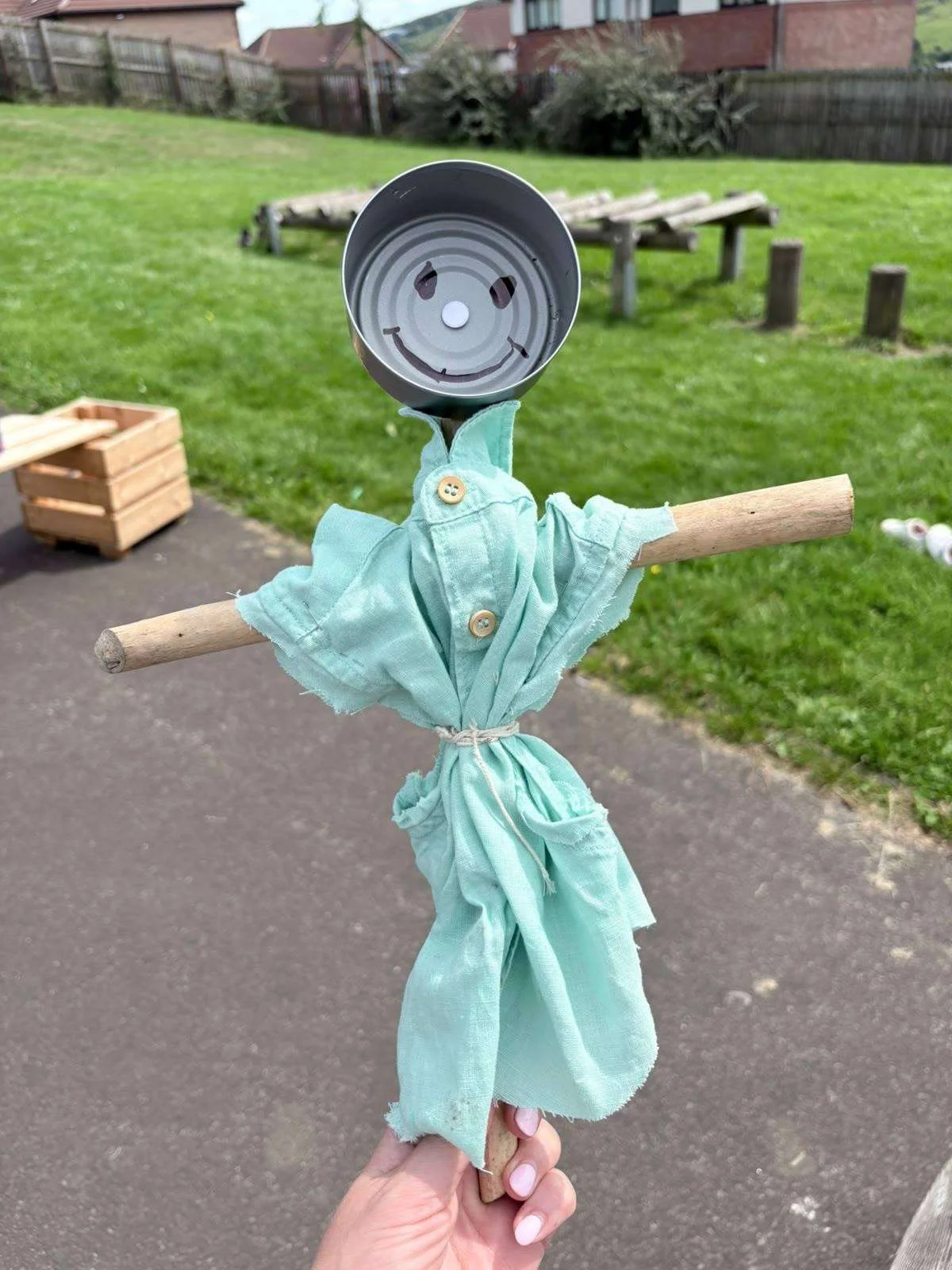
There was also lots of room for play and creativity - the children took part in predator-and-prey and pollination games, made willow fairy crowns and leaf rubbings, and created tiny scarecrows from reclaimed and natural materials.
Best of all, they harvested and ate the food they grew themselves.
One seven-year-old participant summed it up rather perfectly: “I planted purple peas, and we made a thing for them to climb up, and then I got to eat them! They are really nice.”
The project also created opportunities for adults involved in the school to build their own knowledge. A school janitor helped build, and learned how to use, the new composter, as did the other staff to maintain the composter in future. The project team reported that the children were curious about nature and how it works, while the school and care provider saw how external funding and expertise could make this type of environmental education possible. This is especially promising as it means a project like this could be organised again in the area.
Different Approaches, Shared Purpose
We’ve looked at three organisations, each taking its own unique approach to climate action in Inverclyde.
But they have a lot in common. For example, all three make climate action practical and accessible. They give people the chance to learn by doing. Each one shows that taking action on climate change can bring extra benefits, like better wellbeing and confidence, stronger community connections, new skills, and a closer bond with nature.
Most importantly, you don’t have to be any kind of expert to get involved in any of these projects.
You can take climate action by making art from waste materials, growing plants for pollinators, growing your own vegetables, learning about composting, and much more.
These might seem like small actions, but when many people do them together, they can add up and start to lead to real change in a community.
Climate Action Starts Locally
At ICAN, we’re lucky to work with many organisations and community groups in Inverclyde who are finding creative, practical, and inclusive ways to respond to climate change.
One way we support this type of work is through our Seed Funding programme, but we also connect and signpost organisations to reach the right information and opportunities.
These examples show that community climate action is about much more than just individual projects. It’s about making climate action something everyone can take part in. It’s about building a future where everyone has the chance to join the conversation.
So many people across Inverclyde are already making a difference in their own communities. These are just three of their stories, and there are many more to tell!