

Small Grants, Big Impact
Community Projects Supported by Inverclyde Climate Action Network
Sometimes, the best and the brightest community ideas start with the smallest first step. Our seed funding programme, Empowering Communities for Climate Action, is all about helping those early ideas grow, giving local groups and organisations the chance to test new projects, try creative approaches, and turn plans into something real.
But it’s not just brand-new ideas that we like to support - we're also really passionate about giving established projects a helping hand to continue their amazing work.
We’re excited to share some of the projects we’ve supported in 2025/26, each of them showing how local action can make meaningful change!
Reducing food waste through volunteer-led redistribution; exploring climate action and sustainable growing through textiles; sparking children’s interest in growing food and cooking; upgrading polytunnels to provide an amazing space for the community to connect...
The projects we support all have one thing in common - they come from local people who know their community best!
So... what is Empowering Communities for Climate Action?
Our seed funding is open to volunteer-led community groups with ideas that support sustainability and local climate action.
We’re especially keen to support projects that focus on themes like sustainable travel, food justice, nature enhancement, and share & repair initiatives. We also really value projects that support marginalised communities, who are often most affected by the impacts of climate change.
Groups can apply for grants of £500, £1,000, or £1,500, helping them trial new projects or build on existing ones. For projects developed in partnership with three or more groups, funding of up to £5,000 is available to support bigger collaborative ideas.
Funding for 2026/27 isn’t open just yet, but we’re hoping to launch the next round soon. Keep an eye out for updates if you’re thinking about applying.
Project Highlights
Read on for a brief summary of just some of the projects we’ve funded so far, and impact that the fantastic work has had on the community!
Kilmacolm Primary Garden Activity Volunteers
Who are they?
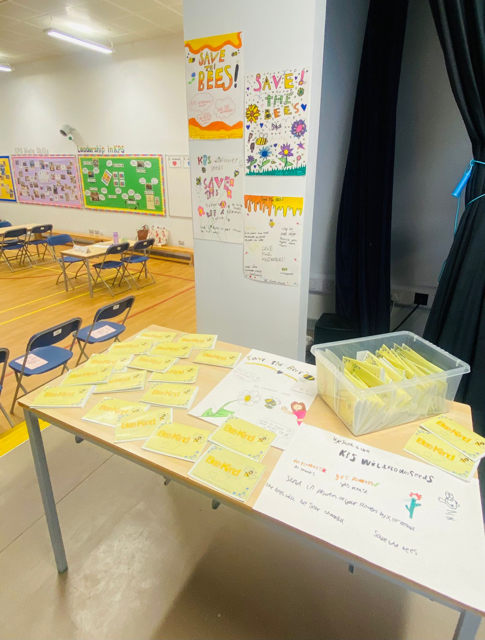
This community group, connected with Kilmacolm Primary School, is passionate about helping pupils understand where food comes from and sparking an interest in preparing fresh, healthy, and affordable meals. Their work focuses on outdoor learning, sustainability, and practical life skills in a way that feels engaging and accessible for children.
How did ICAN support them?
The group were keen to create a wildflower meadow next to the school garden and plant additional fruit trees, helping to improve biodiversity and attract pollinators that support the wider growing space. This also helps to ease the loss of natural habitats locally, creating a small but meaningful space for nature to thrive.
Additionally, they were keen to build on their existing cooking classroom by growing fresh ingredients for more of the year. With an awareness that food poverty can sometimes be linked to a lack of knowledge as well as resources, the project aims to give pupils and their families the chance to experience the full journey of food, from growing to cooking.
By providing a small seed funding grant, ICAN helped to support this work by contributing to the preparation of the ground, the purchase of seeds, and the creation of seed and information packs for the pupils to take home. These packs help expand the impact beyond the school, encouraging biodiversity throughout the village.
The funding also supported the cooking classroom, helping the group access additional equipment to expand their activities.
Impact?
During their application, the garden volunteers estimated that the 250 pupils of the school and many of their families, friends and other villagers would benefit from this garden. Today, thanks to their completed impact report, we can relay that pupil knowledge of nature, pollinators and the environment has increased significantly, with classes all through the school learning about these topics with age-appropriate activities.
Shortly, families will reap the benefits too as the wildflower packets are almost ready to be taken home and spread throughout the village. The volunteers put it well when they said:
“Of course, the true beneficiaries are the pollinators and other insects that we are supporting”!
With the focus on involving families and the wider village in the project, there has been opportunity for intergenerational learning and connection, whilst supporting wider community wellbeing and making sustainable food practices more accessible to everyone.
Rig Arts
Who are they?
Rig Arts is a charity that brings professional artists and the local community together through a wide range of arts, film, music, workshops, and training opportunities. Their work is rooted in making a positive difference in people’s lives, with a strong focus on access to the arts, creative regeneration, positive mental health and wellbeing, climate, and heritage.
How did ICAN support them?
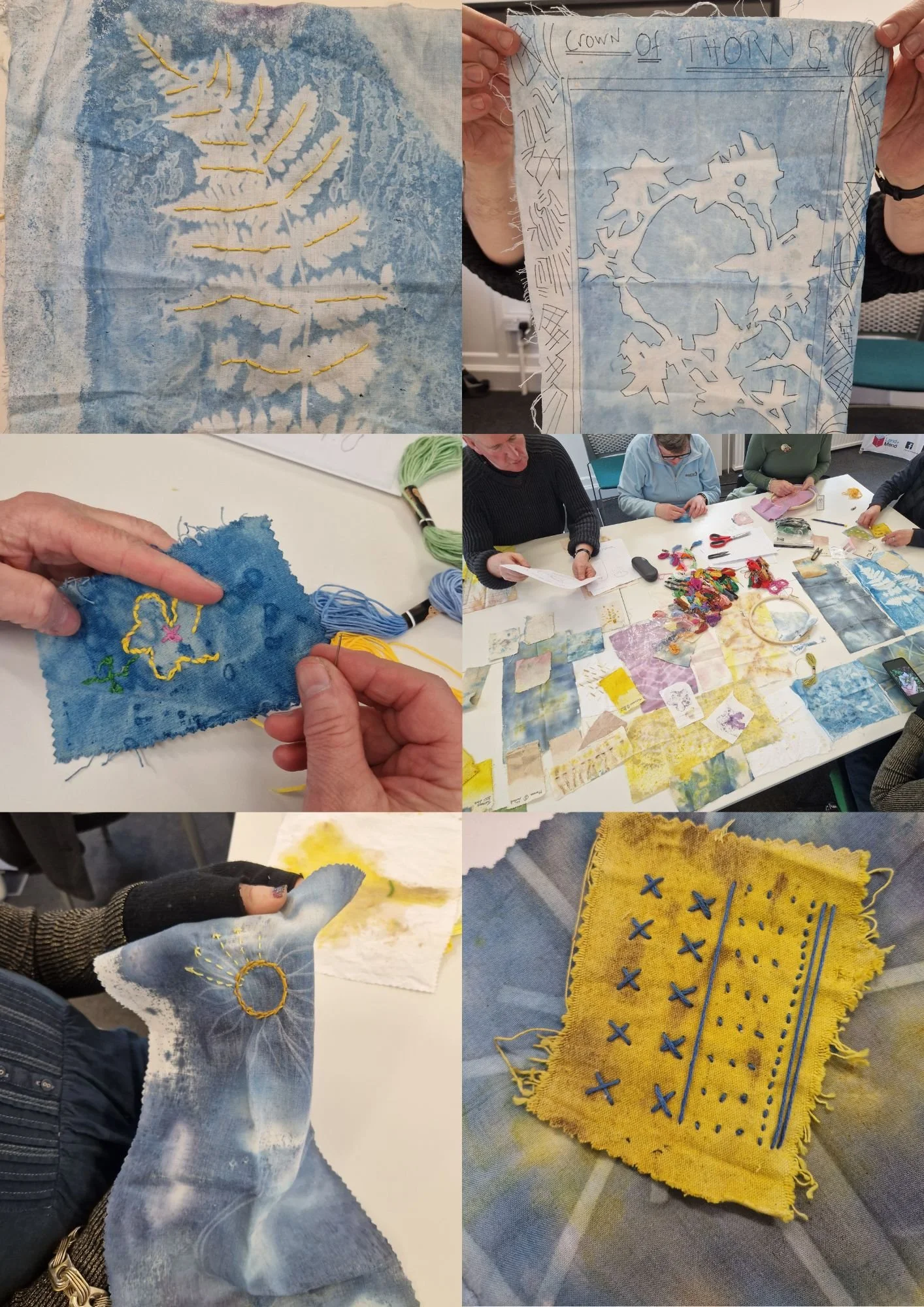
Rig Arts developed a 12-week partnership programme with South-West Library in Greenock, inviting participants to explore climate action and sustainable growing through textiles.
Using donated fabrics and plant-based dyeing techniques, participants created textile pieces that combined climate-themed writing, imagery, and creative expression. The project offered a thoughtful and hands-on way to explore sustainability, whilst encouraging conversation and reflection around climate action.
A seed funding grant from ICAN helped support the delivery of this 12-week project, contributing to the materials and session costs and helping make it possible for the workshops to take place in the community space of the library.
Impact?
As the project is open to all adults in Inverclyde, the programme created a welcoming and inclusive space for people of all backgrounds, abilities and circumstances. Rig Arts’ impact report reveals the largest demographics of the group working on the project has been older adults e.g. 50+, and adults with mental health conditions and/or disabilities.
As well as helping vulnerable participants build creative skills, the sessions offered an opportunity for connection, reflection, and shared learning. For anyone experiencing climate anxiety, looking for community, or simply wanting to try something new, the workshops provided a supportive environment where creativity and climate action could come together.
Inverclyde Shed
Who are they?
Inverclyde Shed is a volunteer-run organisation that creates welcoming spaces for people to come together, share knowledge, and build more skills. A big part of their work focuses on reducing social isolation and loneliness, offering activities that support both physical and mental wellbeing.
Alongside their community workshop in Greenock, they also care for growing spaces across Inverclyde, including in Port Glasgow, Greenock and Gourock, where local people can get involved in practical, hands-on environmental experiences.
How did ICAN support them?
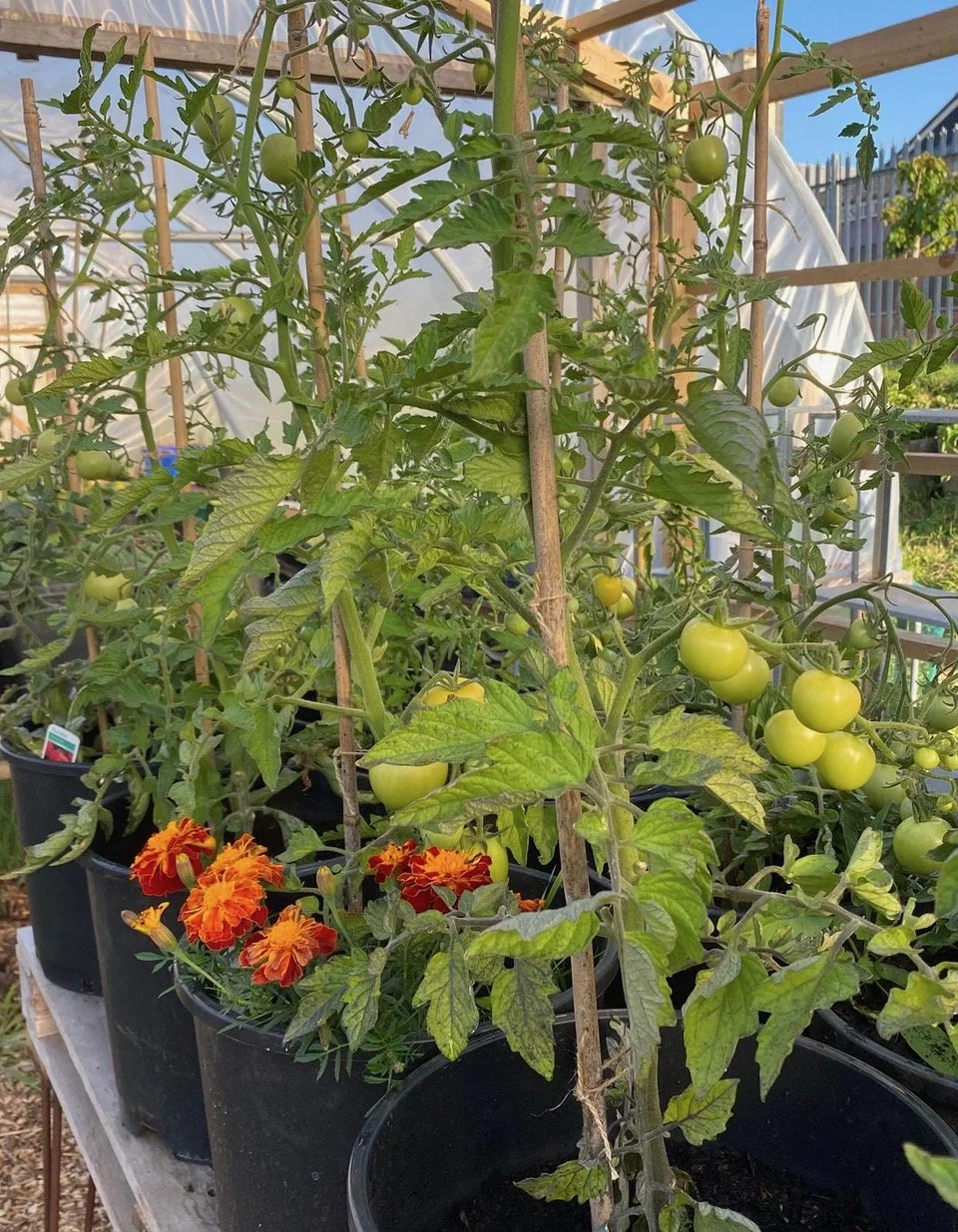
A ICAN seed funding grant helped support the upgrade of two large polytunnels at the Shed’s community growing space in Port Glasgow.
These sturdy polythene structures create the right conditions for propagating plants and growing summer crops such as tomatoes and peppers, something more difficult with Scotland’s harsh climate. By helping improve and maintain this growing space, the funding has supported the continuation of an important local resource for growing and community connection.
Impact?
This support helps ensure the community growing space can continue to benefit people across Inverclyde. The volunteer gardening group are mainly retired 60+ women, and other beneficiaries include the public and school children who benefit from events, visits and the food that is donated from the garden.
As well as supporting local growing, the space provides opportunities for people to spend time outdoors, learn new skills, and connect with others. In this way, the project supports both environmental sustainability and community wellbeing, creating a space that is valuable in multiple ways.
Inverclyde Community Food Network
Who are they?
The Inverclyde Community Food Network (ICFN) is a charity that supports growing projects and community gardens, whilst sharing surplus food to help ease the cost of living. Their work brings together community wellbeing and climate action by tackling food waste, supporting access to healthy food, and helping build local resilience.
How did ICAN support them?
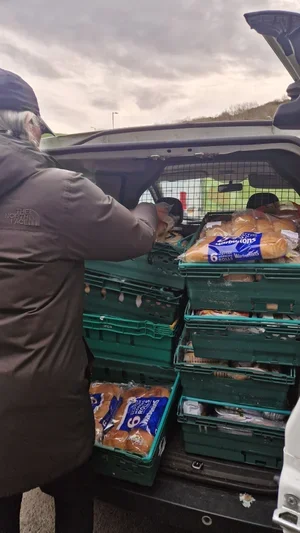
ICFN proposed a three-month pilot of a volunteer-led community driver network, in collaboration with Branchton Community Centre and Parklea Branching Out. This involved collecting surplus supermarket food and redistributing it to local nurseries, community pantries, and community fridges.
The project set out to stop good food from ending up in a landfill, whilst also helping to reduce household living costs, and to strengthen the Inverclyde community’s resilience to climate challenges.
A ICAN seed funding grant helped support the pilot phase of this programme, which began in February and will continue into April. This early support contributed to the set-up of the volunteer network and getting the project running in practice, including coordinating food collections and running cooking sessions with the community.
Impact?
The pilot has already had a positive impact across different parts of the community. Community fridges and pantries have been able to offer more fresh and healthy options for families experiencing financial pressure or food insecurity. Local nurseries have also had greater access to fruit and vegetables for their children, supporting their growth and wellbeing.
Elderly people using community fridges and pantries would also benefit from the extra food available, helping them access healthy options whilst easing living costs.
Alongside the redistribution network, ICFN ran “Ready, Steady, Cook” classes, helping participants learn how to turn leftover food into healthy, low-cost meals whilst reducing waste. As well as building practical cooking skills, these sessions created a warm and welcoming social space for people who may be feeling isolated, helping them build confidence, skills and connections with others in the community.
What’s the Common Theme?
Across all these projects, one thing really stands out: sometimes, a small amount of support is all it takes to help a good community idea get started. Testing out food redistribution ideas, an artist with an idea for a creative climate workshop, an upgrade for an existing project to continue to support the community - all these examples show what can happen when local people are given the resources and the chance to start something new.
For us at ICAN, it’s been particularly lovely to see how these ideas connect climate action with everyday community life. Each project has created simple, practical ways for people to come together, get involved, and make a difference. These early stages can also help groups build the confidence and evidence they need to grow their ideas even further in the future!
Thanks for Reading!
We’re always inspired by the ideas and enthusiasm within our Inverclyde community, and we’re excited to continue supporting new projects in the future.
If you have an idea you’d like to try, or a project you'd like to grow, or simply would like to hear more about our seed funding, we’d love to hear from you.
Watch this space for updates - applications for funding for 2026/27 will open soon. Get in touch to find out more or start a conversation about what could be possible!